Research Articles

The Universal Translator for Biological Design: How SBOL 3.0 is Revolutionizing Synthetic Biology
Explore how SBOL 3.0 is transforming synthetic biology with standardized biological design language, visual notation, and real-world applications.
Engineering Nature's Helper: How Scientists Are Rewiring a Key Enzyme
Discover how scientists are engineering NADH oxidase to work with non-natural cofactors, creating parallel metabolic systems for biotechnology applications.
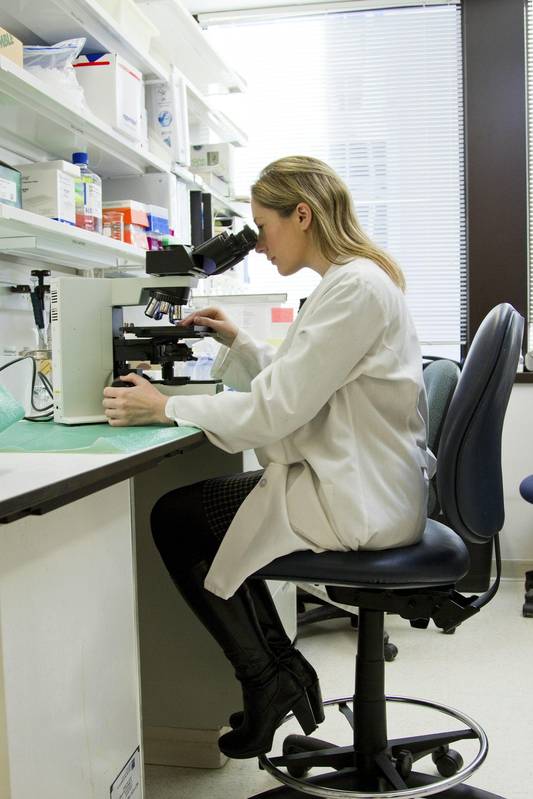
Engineering Cell Factories: A Cybernetic Approach to Metabolism
Explore how cybernetic metabolic engineering treats living cells as optimal regulators, creating intelligent microbial factories that dynamically adjust operations for maximum efficiency.
Harnessing Microbial Teams: How Engineered Consortia Are Solving Global Challenges
Explore how engineered microbial consortia are revolutionizing environmental cleanup, agriculture, and sustainable manufacturing through collaborative microbial teams.
From Wood to Plastic: How Engineered Bacteria Turn Trees into Bioplastics
Discover how engineered E. coli bacteria transform lignocellulosic biomass into biodegradable plastics like P3HB and butyrate through synthetic biology.

The Cellular Alchemists: How Metabolic Engineering is Redesigning Life's Factories
Explore how metabolic engineering transforms cells into microscopic factories to produce medicines, biofuels, and sustainable materials through AI and synthetic biology.
Unlocking Nature's Factory: How CRISPR Is Supercharging a Unique Yeast
Explore how CRISPR-based gene expression toolkit is unlocking the full potential of Yarrowia lipolytica for sustainable bioproduction.
Yeast Cell Factories: Programming Nature's Tiny Miracle Workers
Explore recent advances in yeast cell factories and how synthetic biology is transforming these microorganisms into efficient production platforms for pharmaceuticals, biofuels, and sustainable chemicals.
From Tree Bark to Lab Tank: The Yeast that Brews a Miracle Molecule
Discover how the identification of RoCYP01 enables engineered yeast to produce betulinic acid, a promising anti-cancer compound, sustainably and efficiently.
Engineering E. coli's Sweet Tooth: A Green Key to Unlocking Plant Waste
How synthetic biologists are rewiring E. coli's regulatory systems to transform plant waste into valuable bioproducts through metabolic engineering.